
What Is the Google Local Pack? How the Map Pack Works in 2026
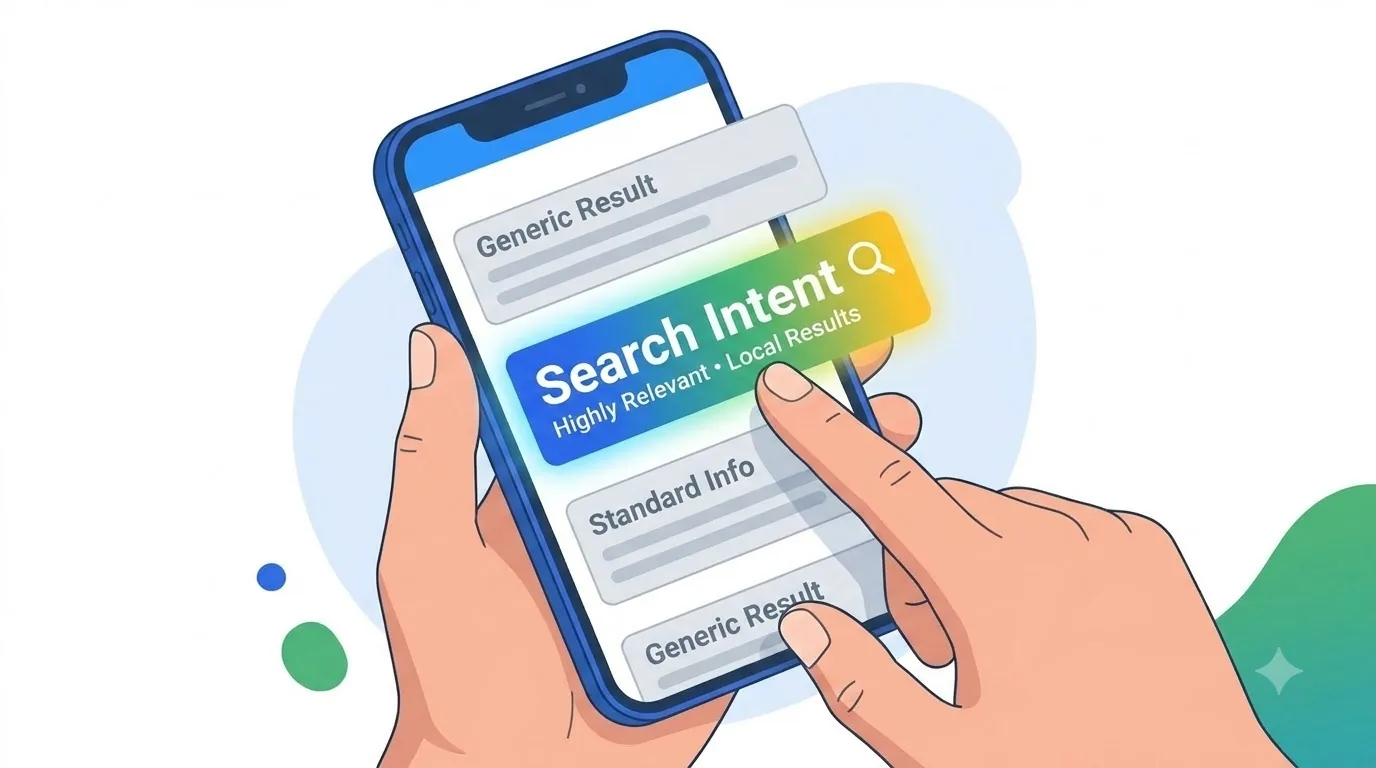
The Google local pack, also called the map pack or 3-pack, is the block of three business listings and a map that Google shows for searches with local intent, like “dentist near me” or “plumber Austin”. It sits above the regular results, pulls its listings from Google Business Profiles and ranks them by relevance, distance and prominence.
Search for “coffee near me”, “emergency plumber” or “dentist in Leeds” and near the top of the page you'll usually see a small map with three businesses under it. That's the local pack. For most local businesses it's the most valuable spot on Google: it sits above the website results, shows your stars and hours at a glance, and lets people call or get directions without visiting a website.
This guide covers what the local pack is, when Google shows it, how it chooses the three businesses and what you can realistically do to be one of them. If you're not sure how the pack relates to Google Maps and your Business Profile, start with GBP vs Google Maps vs the local pack.
What the local pack looks like
- A map with a pin for each listed business.
- Three listings, each with the business name, star rating, review count and category, and often opening hours, price level or distance.
- Buttons such as Website, Directions and Call, depending on the device.
- A “More places” or “More businesses” link that opens the Local Finder: a longer list with filters such as rating and opening hours.
Some listings also carry a short line underneath: a snippet from a review, a note that the business's website mentions your search term, or a service the business lists. SEOs call these justifications. Google shows them to explain why a result matches the search, and they come straight from your reviews, website and Business Profile services. It's one of the clearest signs that what you write in those places gets read.
When does Google show a local pack?
Google shows the pack when it decides a search has local intent. That covers:
- “Near me” searches, like “tyre shop near me”.
- A service plus a place, like “wedding photographer Brighton”.
- Plain category searches such as “pharmacy” or “locksmith”, especially on a phone. Google assumes you want one nearby even if you didn't say so.
For searches like these, a pack is close to guaranteed. A 2025 Whitespark study, summarized by Search Engine Land, found local packs on more than 90% of simple local queries, with AI Overviews on only 15% of them. Questions work differently: for informational searches like “how long does an eye exam take near me”, AI Overviews appeared 92% of the time.
Local pack vs organic results vs ads
| Local pack | Organic results | Ads | |
|---|---|---|---|
| Where listings come from | Google Business Profiles | Web pages | Advertisers' campaigns |
| What decides the order | Relevance, distance and prominence | Page relevance, quality and links | Bids and ad quality |
| Can you pay to be listed? | No | No | Yes |
| What you work on | Your Business Profile, reviews and website | Your website | Your campaigns and budget |
Google states plainly that there's no way to pay for a better local ranking. What you can buy is an ad placed alongside it, and sponsored listings now show up inside the local pack far more often than they used to. According to Places Scout data shared by Joy Hawkins in February 2026, ads appeared in the local pack for about 22% of tracked keywords, up from under 3% a couple of months earlier.
For many home-service searches in supported countries, Local Services Ads also appear above the pack, now marked with a Google Verified badge.
How Google ranks businesses in the local pack
Google's local ranking help page names three factors:
- Relevance: how well your Business Profile matches the search. Your categories, services, description and website content all feed into it.
- Distance: how far you are from the person searching, or from the place named in the search.
- Prominence: how well known your business is. Google counts information from across the web, such as links, articles and directories, and says your review count and rating play a part.
Beyond Google's own summary, local SEO practitioners consistently rate the primary category among the strongest single signals. In Whitespark's 2026 Local Search Ranking Factors survey, being open at the time of the search also ranked among the top five local pack factors. That's why a business can drop out of the pack in the evening and reappear in the morning.
Keywords in the business name also tend to help, which is why some competitors add them. It's against Google's guidelines and a common reason profiles get suspended, so use your real name. If a competitor's name is stuffed with keywords, you can suggest an edit on their listing or report it through Google's Business Redressal Complaint Form.
Why you can be in the pack on one street and not the next
Because distance is part of the ranking, there isn't one local pack. There's a different one for every spot someone searches from. The same search can show you first from your car park and nowhere a kilometre away. That's why checking your rank from one spot, usually your own office, is misleading.
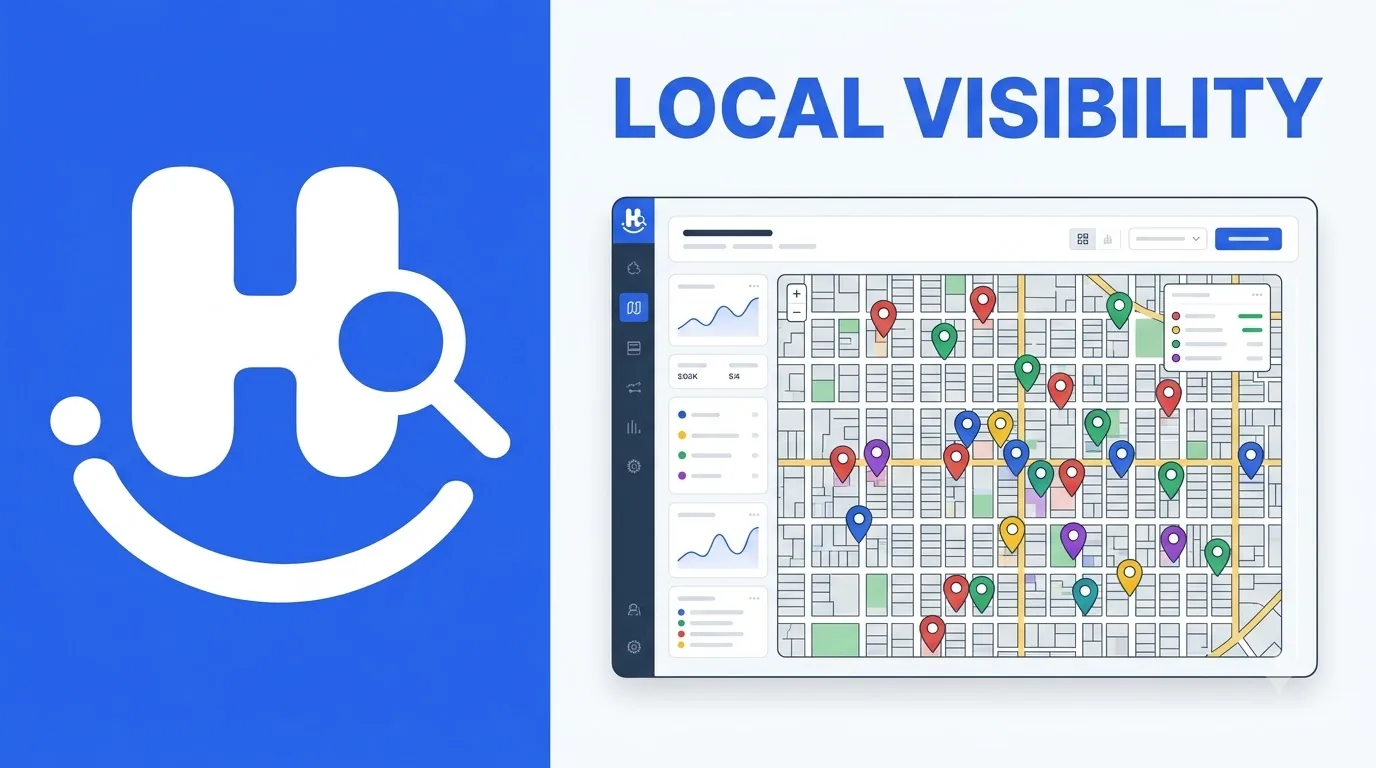
A geo-grid scan runs the same search from a grid of points around your business and colors each one by where you rank, so you can see which neighborhoods have you in the top three and which don't. Our comparison of geo-grid heatmaps and traditional rank trackers explains why that matters.
How to get into the local pack
- Choose the most specific primary category for your main service, then add secondary categories only for other services you really offer.
- Fill in services, attributes and hours completely, and set holiday hours in advance. If you're shown as closed when someone searches, you're far less likely to appear.
- Give each main service its own page on your website, and keep your name, address and phone number identical to your profile.
- Collect reviews steadily by asking every happy customer, and reply to all of them. A steady stream beats a one-off burst.
- Add real photos regularly and publish Business Profile Posts.
- Earn a few local links from suppliers, sponsorships, local press and associations. See local link building.
- Fix inconsistent listings on other sites with our NAP consistency guide.
Our 12-point Business Profile checklist and Google Maps ranking playbook go deeper on each of these.
What if you don't have a storefront?
Service-area businesses, like plumbers, cleaners and mobile mechanics, hide their address and list the areas they serve. They can still rank in the pack, but the service areas you list don't decide where you rank. Testing by Sterling Sky found rankings follow the address you verified with, even when it's hidden. Expect to rank best near your base, and to need stronger relevance and more reviews to show up further out. Our local SEO guide for plumbers walks through it.
How to check if you're in the local pack
Searching your own keywords on your phone won't give you a straight answer, because results are personalized and depend on where you're standing. Use a location-accurate method instead. Our guide to checking your Google Maps ranking from any location covers the free options, from Google Maps itself to Chrome's location override, and when a geo-grid tracker is worth paying for.
Frequently asked questions
What is the Google 3-pack?
Another name for the local pack: the map and three business listings Google shows for local searches. It's also called the map pack.
How many businesses appear in the local pack?
Usually three, which is where the name 3-pack comes from. Clicking “More places” opens the Local Finder with a longer list. Sponsored listings can also appear inside or above the pack.
Can I pay to get into the local pack?
No. Google says there's no way to pay for a better local ranking. You can buy ads that appear alongside or inside the pack, but the regular listings are earned through your Business Profile, reviews and website.
Why does my business show on Google Maps but not in the local pack?
The pack only shows the top three for that search and that location, so you may be fourth or lower. Improve relevance and prominence, and check your ranking from several points rather than your own address.
Does being open affect the local pack?
Yes. Being open at the time of the search ranked among the top five local pack factors in Whitespark's 2026 survey, so keep your regular and holiday hours accurate.