

The Essential Features Every Local SEO Software Should Have
Great local SEO software combines location-aware rank tracking, Google Business Profile management, local keyword research, citation monitoring, review management, competitor analysis, audits, customizable reporting, timely alerts, and multi-location automation so teams see true visibility and know exactly what to improve next.
Ever wonder why some local businesses seem to know exactly what is happening in search while others play catch-up? The difference is often not just strategy, but having the right local SEO software to turn scattered data into something useful. This guide follows the same practical approach as our overview of how software wins local customers.
But a long feature list does not make a platform right. You need rank tracking, Google Business Profile management, citation management, review monitoring, competitor analysis, and reporting that help decisions. Let us explore the features that matter most and how tools such as Happy Rank fit into a practical workflow.
Cover the Core Local Search Essentials
When I evaluate software, I ask: does it show what is happening in local search without forcing jumps between tools? Rank tracking, profile management, and keyword research form the foundation for where a business appears, what people search, and where to improve.
Local Rank Tracking
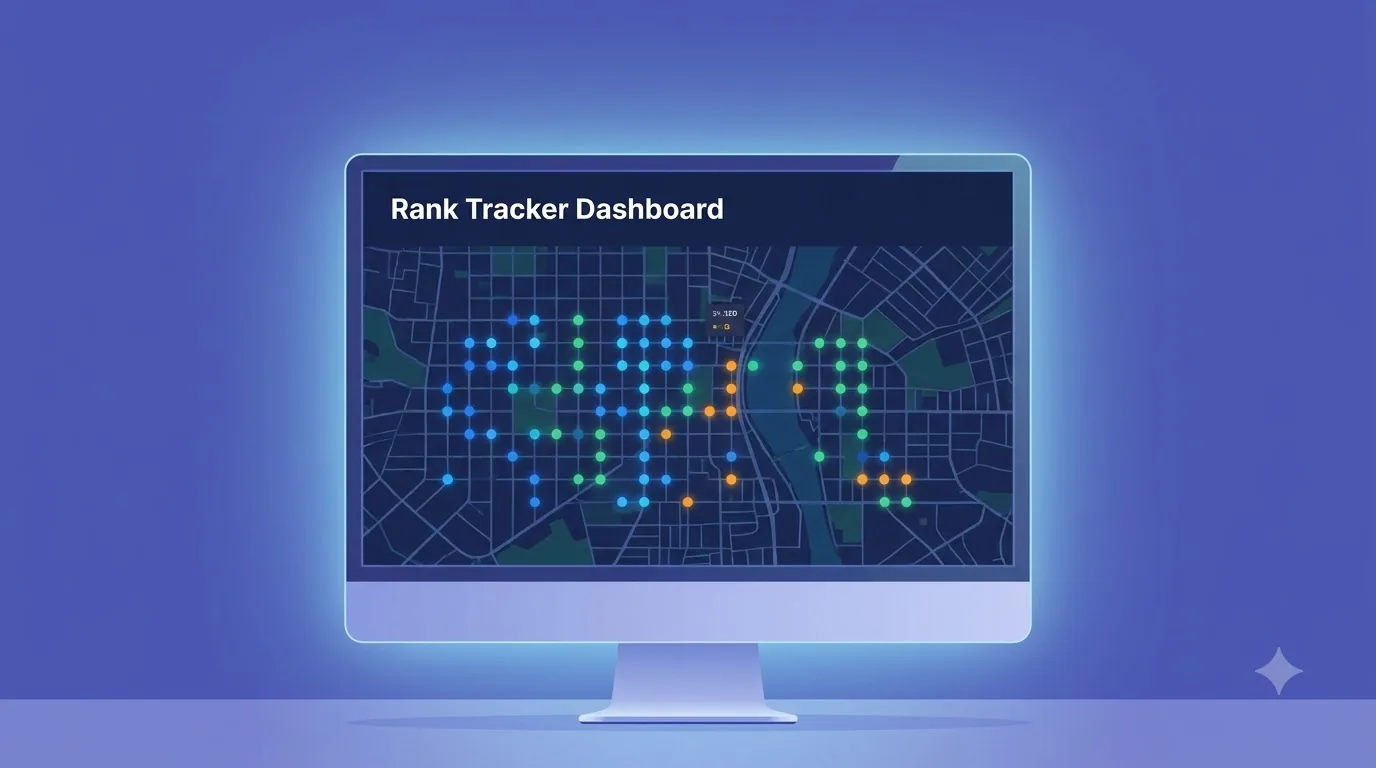
Local rankings shift by area. A business may dominate one neighborhood and vanish a few miles away, which is why single-point checks mislead. Compare this with geo-grid versus traditional tracking to see why location-specific measurement matters. A strong platform should track Search and Maps, compare locations, review changes over time, track competitors, and flag improving or declining keywords.
- Track local keywords across Google Search and Google Maps
- Monitor Map Pack visibility and compare rankings across locations
- Review ranking changes over time with competitor comparison
- Identify keywords where visibility is improving or declining
Google Business Profile Management
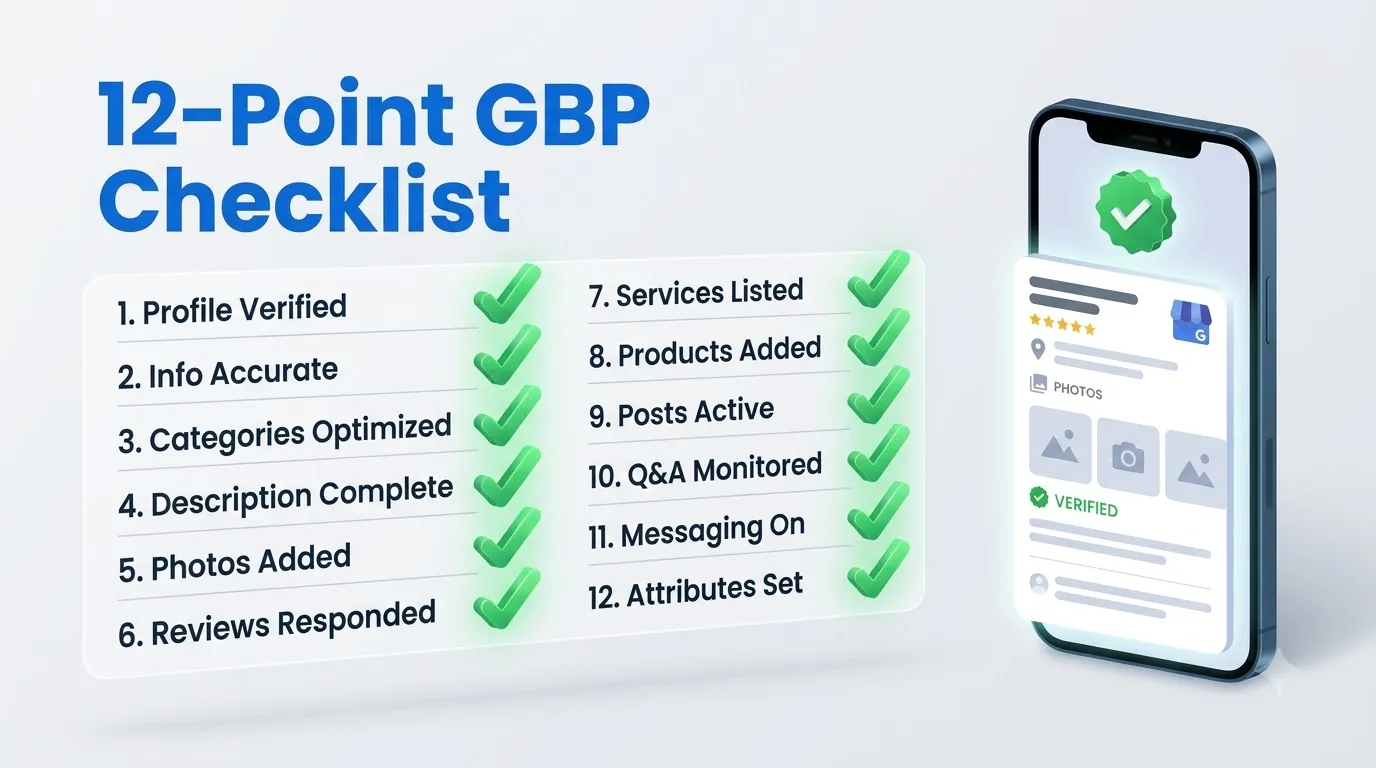
Keeping profiles accurate across locations is hard. Good software makes it easier to monitor name, address, phone, categories, services, photos, posts, completeness, and location-specific issues, following Google's quality guidance. The goal is customers finding accurate information when ready to visit or call, as detailed in our GBP optimization checklist.
Local Keyword Research
Good research connects behavior with locations and services. Beyond plumber in Chicago or dentist near me, examine service-plus-city demand, neighborhood hyperlocal terms, near me intent, and long-tail geographic needs. Together they reveal where visibility can grow.

Look beyond obvious city phrases. Neighborhood searches, service variations, and specific needs reveal opportunities broader lists miss. The right software brings rankings, profiles, and keywords together so you see standing and next actions clearly.
Strengthen Visibility and Reputation
Rankings alone never tell the whole story. Citations, reviews, competitor activity, and audits influence how confidently you compete, which is why citation and NAP consistency deserves centralized monitoring.
Citation and Listing Management
- Monitor important listings and NAP consistency across directories
- Identify duplicates, outdated listings, and missing citations
- Monitor changes to important business information centrally
Review Monitoring and Management
A business can rank well and still lose customers with weak reputation. Look for new-review notifications, multi-platform monitoring, rating trends, response management, feedback insights, and request workflows. Recurring themes like slow service or excellent staff reveal opportunities ranking data cannot show. Pair this with guidance on getting more Google reviews.
Competitor Analysis
Competitors constantly change strategy, so analysis should be built in. Monitor rankings, keywords, review volume and ratings, GBP activity, and citation presence together to spot gaps and progress. If a rival outranks you, investigate reviews, content, listings, or other local signals behind the difference.
Local SEO Audits
A useful audit shows what works and what needs fixing across profile completeness, citation consistency, review activity, website local issues, keyword opportunities, and competitor gaps. Run one regularly using our local SEO audit checklist.
| Audit Area | What to Check |
|---|---|
| Google Business Profile | Completeness and accuracy |
| Citations | Consistency and duplicates |
| Reviews | Rating and review activity |
| Website | Local optimization issues |
| Keywords | Visibility and opportunities |
| Competitors | Gaps and opportunities |
Turn Data Into Actionable Insights
Collecting data is easy; knowing what to do is hard. Good software makes the next step obvious by showing what is improving, what needs attention, and where strategy goes next. Connect visibility to outcomes as shown in measuring local SEO ROI.
Reporting Dashboards and Alerts
- Rankings, GBP performance, traffic, calls, direction requests, and leads
- Custom dashboards filtered by location with KPIs and trends over time
- Automated alerts for ranking shifts, new reviews, listing issues, and drops
- Integrations with Analytics, Search Console, CRM, and call tracking
Historical reporting matters. A single snapshot says little, but weeks or months of comparison reveal whether optimization works. Ask whether you grasp the takeaway within minutes; if not, the interface is harder than needed.
Prioritize Automation, Scalability, and Ease of Use
More features do not mean better experience. Automation, scalability, and usability turn features into everyday workflow, including scheduled audits, ranking updates, review notifications, recurring reports, listing monitoring, and GBP activities that remove repetitive work without removing oversight.
- Manage and compare multiple locations with bulk updates and reports
- Assign roles, share reports securely, and collaborate across clients
- Scale locations, keywords, users, and reporting as needs grow
Evaluate Software Before You Choose
Do not choose by longest feature list alone. Check accuracy, depth versus count, fit for business size, reporting tied to ROI, and integrations. Test the interface and confirm you will genuinely use the features, informed by benchmarks like the Whitespark Local Pack study.
| Evaluation Area | Question to Ask |
|---|---|
| Accuracy | Can I trust the data? |
| Features | Do they solve my actual needs? |
| Usability | Can my team use them easily? |
| Reporting | Can I clearly demonstrate progress? |
| Scalability | Can the platform grow with us? |
| Integrations | Does it connect with existing tools? |
Consider locations, users, markets, keywords, reporting needs, agency versus in-house workflows, and future growth so you avoid forced migration later. For a broader toolkit view, compare with free local SEO tools.
Conclusion
Choosing software is less about longest lists and more about making local search manageable, from rank tracking, GBP management, and keyword research to citations, reviews, competitors, reporting, automation, and multi-location support. Audit your workflow, find time drains and visibility gaps, and choose software like Happy Rank that turns data into clear actions and measurable results.
Frequently asked questions
What should local SEO software include first?
Start with local rank tracking across Search and Maps, Google Business Profile management, and local keyword research. Together they show where you appear, what customers search, and where room to improve exists without jumping between tools.
How do citations and reviews fit into local SEO software?
Look for NAP monitoring, duplicate detection, and missing citation alerts, plus review notifications, multi-platform monitoring, trend analysis, response tools, and request workflows so reputation and listings stay accurate together.
How should software help with competitors and audits?
It should compare rankings, keywords, reviews, GBP activity, and citations against rivals, then run audits covering profile completeness, citation consistency, reviews, website issues, keywords, and gaps so next steps are obvious.
What reporting and automation matter most?
Prioritize unified reports for rankings, GBP performance, calls, and leads, custom dashboards by location, automated alerts for ranking, review, and listing changes, and integrations with Analytics, Search Console, CRM, and call tracking.
How do I choose the right local SEO software?
Check data accuracy, feature depth versus count, fit for your locations and team, usability, reporting tied to ROI, scalability, and integrations. Test the interface and pick the platform that fits your workflow, like Happy Rank.